
ระบบอาหารชันโรงของฟาร์มรักษ์
หลักฐานของคุณภาพที่เกิดจากพื้นที่จริง
ฟาร์มรักษ์ตั้งอยู่บนพื้นที่สวนปาล์มน้ำมัน
ระบบอาหารของชันโรงจึงไม่ได้ถูกสร้างขึ้นจากทฤษฎี แต่เกิดจาก โครงสร้างพืชที่มีอยู่จริงในฟาร์ม และการสังเกตพฤติกรรมการหาอาหารของชันโรงในพื้นที่อย่างต่อเนื่อง
พืชแต่ละชนิดในฟาร์ม มีบทบาทแตกต่างกันในระบบอาหาร ตั้งแต่อาหารหลักที่หล่อเลี้ยงรังไปจนถึงอาหารรองและอาหารธรรมชาติที่ช่วยพยุงระบบในช่วงเปลี่ยนผ่าน
อาหารหลักของชันโรงในฟาร์มรักษ์
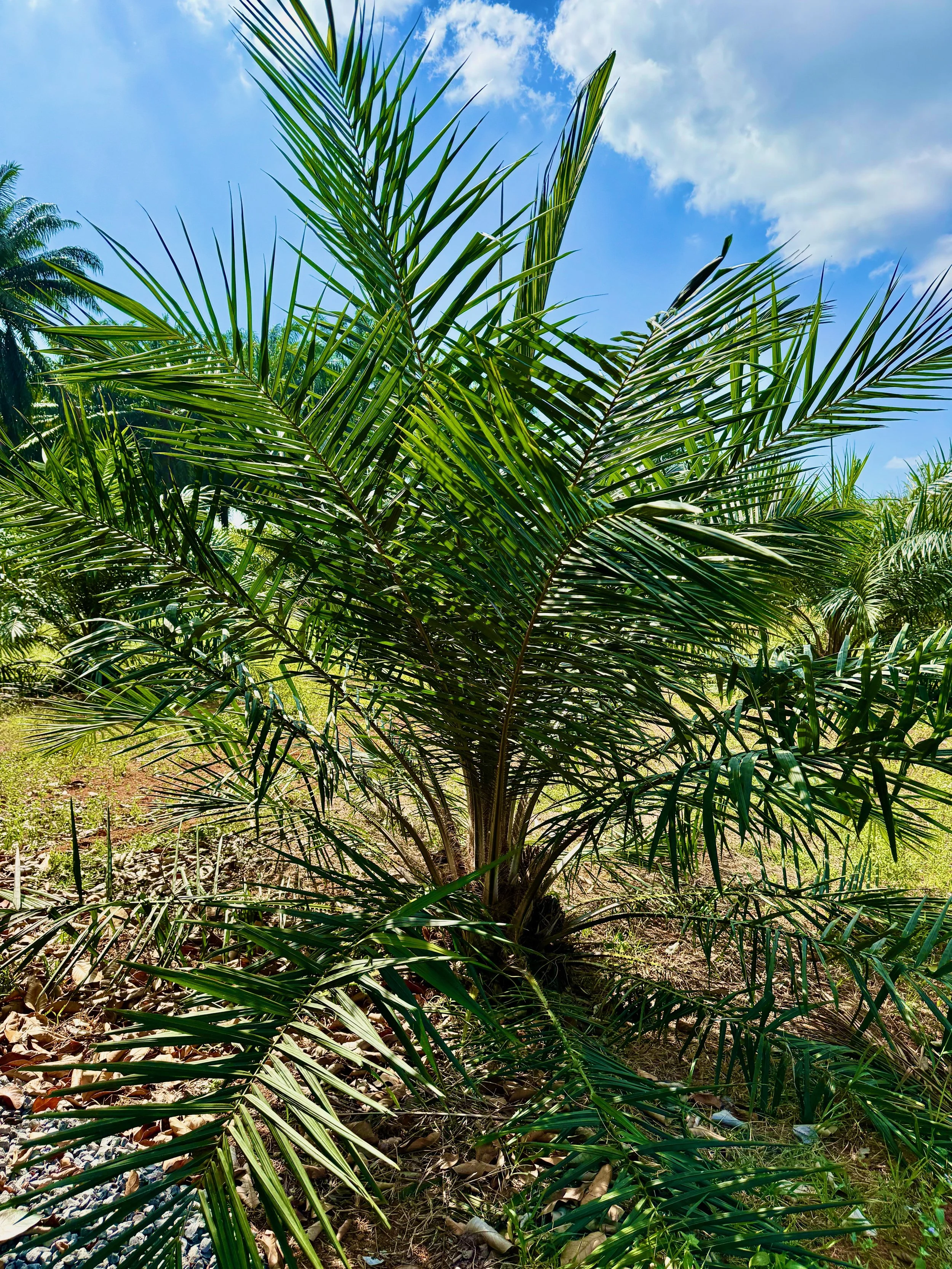
ปาล์มน้ำมัน : โครงสร้างอาหารหลักของทั้งระบบ
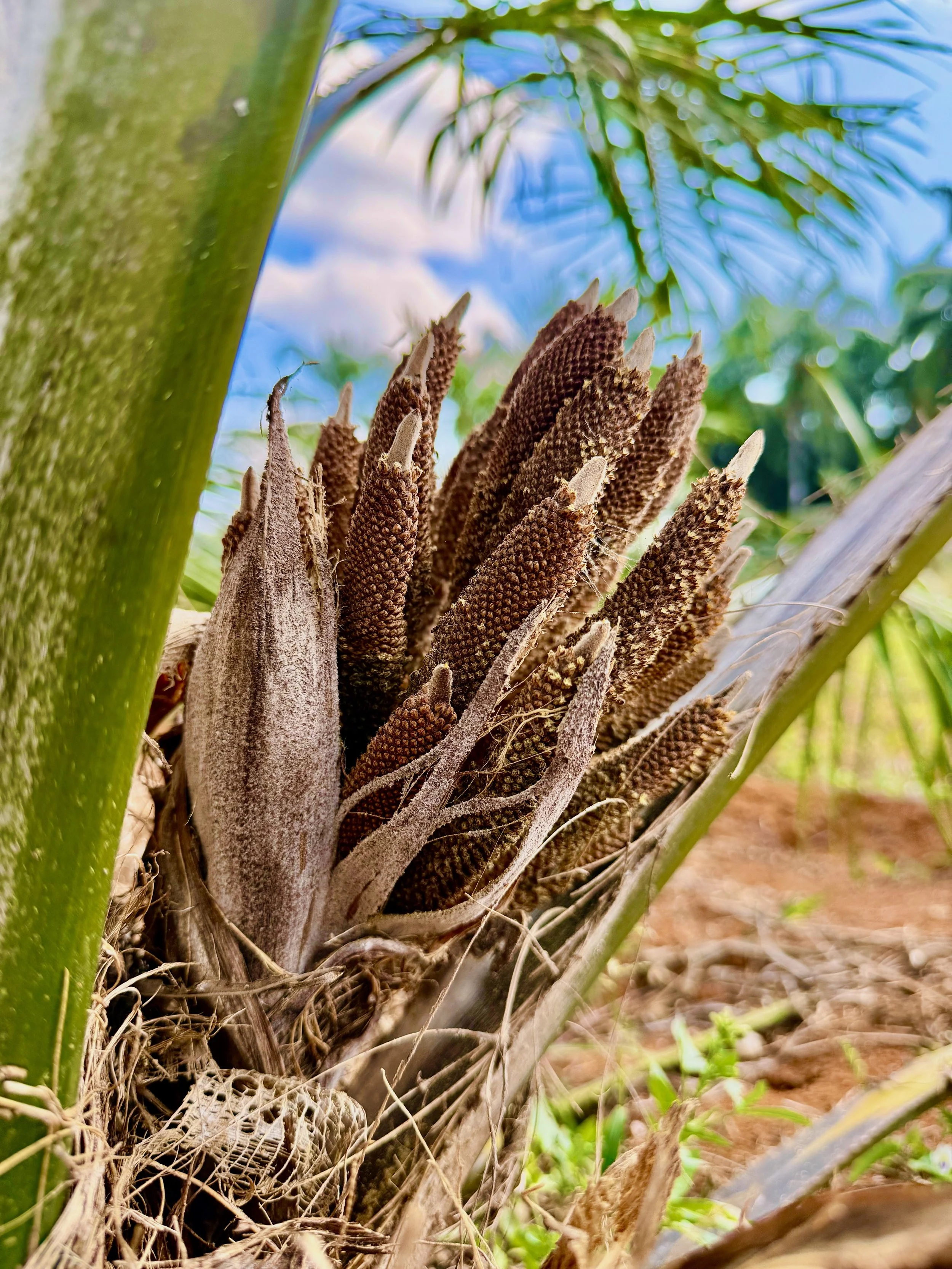
ฟาร์มรักษ์ตั้งอยู่บนพื้นที่สวนปาล์มน้ำมัน และ ต้นปาล์มน้ำมันคือไม้หลักที่กำหนดโครงสร้างของระบบอาหารทั้งหมด
ดอกปาล์มน้ำมัน เป็นแหล่ง เรณูปริมาณมาก ที่ชันโรงสามารถเข้าถึงได้ในระยะใกล้ โดยไม่ต้องใช้พลังงานสูงในการออกหาอาหาร ในช่วงที่ปาล์มน้ำมันออกดอกพร้อมกัน จะเห็นการเข้าหาดอกอย่างต่อเนื่อง และเป็นช่วงที่รังมีความมั่นคงด้านอาหารอย่างชัดเจน
เรณูจากปาล์มน้ำมัน มีบทบาทสำคัญต่อ
• การเลี้ยงตัวอ่อน
• ความแข็งแรงของรัง
• เสถียรภาพของระบบภายใน
ด้วยเหตุนี้ ปาล์มน้ำมันจึงไม่ใช่เพียงพืชเศรษฐกิจของพื้นที่ แต่เป็น ฐานอาหารหลักที่หล่อเลี้ยงชันโรงตลอดทั้งระบบ
อาหารหลักเสริม
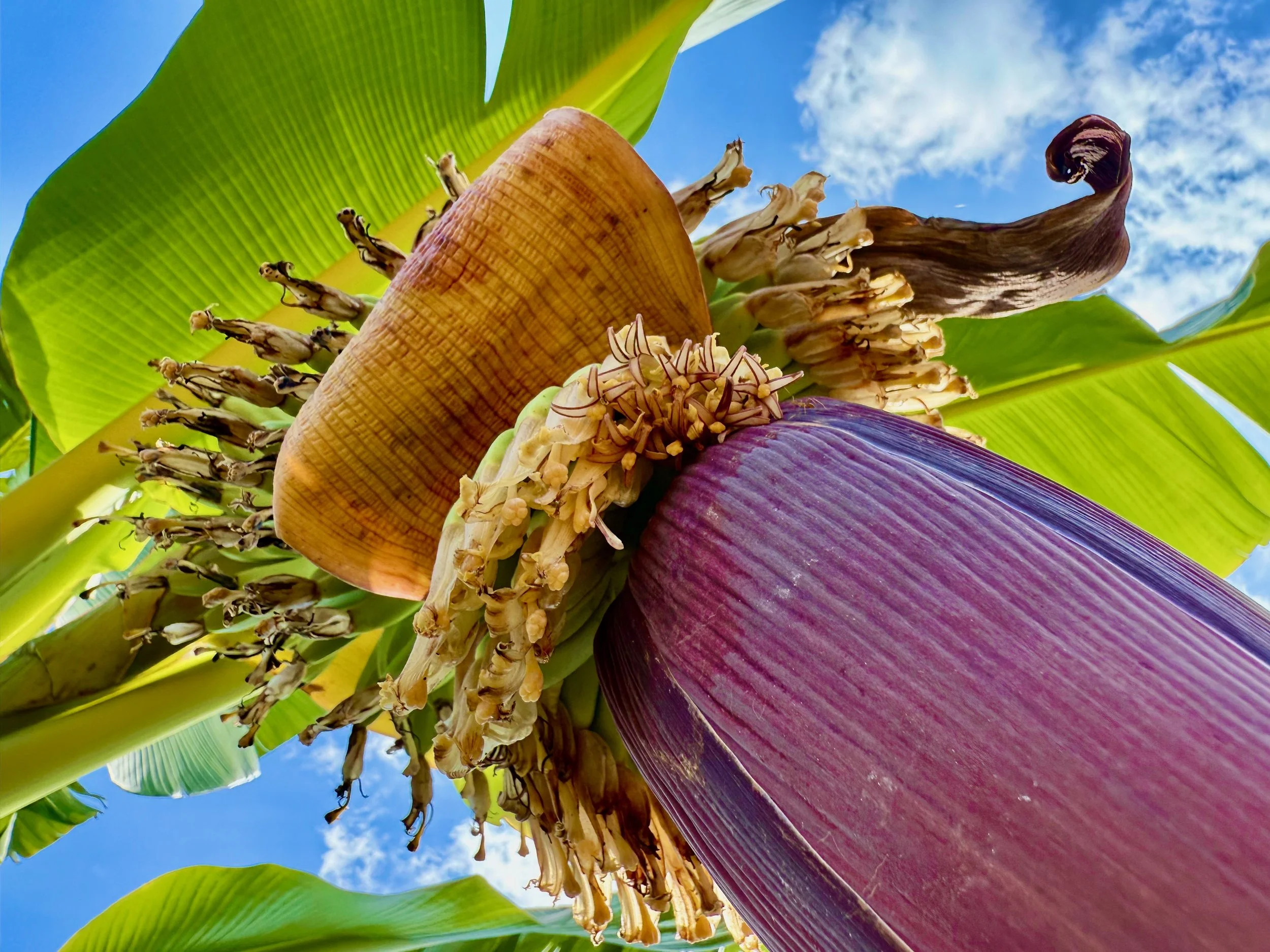
กล้วย : แหล่งอาหารที่ชันโรงเลือกใช้จริง
นอกจากปาล์มน้ำมัน กล้วยคืออาหารหลักเสริมที่มีบทบาทชัดเจนในฟาร์มรักษ์
จากการสังเกตในพื้นที่จริง ชันโรงเข้าหา ปลีกล้วย อย่างสม่ำเสมอ ทั้งเพื่อเก็บเรณูและน้ำหวาน
ปลีกล้วยมีบทบาทสำคัญในช่วงที่
• พืชดอกชนิดอื่นมีปริมาณลดลง
• หรืออยู่ในช่วงรอยต่อของฤดูกาล
กล้วยจึงช่วย เสริมความต่อเนื่องของระบบอาหาร และลดความผันผวนของพลังงานในรัง
อาหารรองจากพืชคลุมดินและไม้ดอกในฟาร์ม
พืชที่ช่วยประคองระบบอาหารในชีวิตประจำวัน
ฟาร์มรักษ์มีพืชอาหารกลุ่มรอง ที่ช่วยเติมเต็มระบบอาหารอย่างต่อเนื่อง แม้จะไม่ใช่อาหารหลักของรัง
พืชในกลุ่มนี้ ได้แก่
ถั่วบราซิล
ทำหน้าที่เป็น พืชคลุมดิน ช่วยรักษาความชื้นของพื้นที่ และสร้างสภาพแวดล้อมที่เอื้อต่อการหาอาหารของชันโรง พร้อมทั้งเป็นแหล่งดอกขนาดเล็กที่ช่วยเสริมอาหารตามจังหวะธรรมชาติ
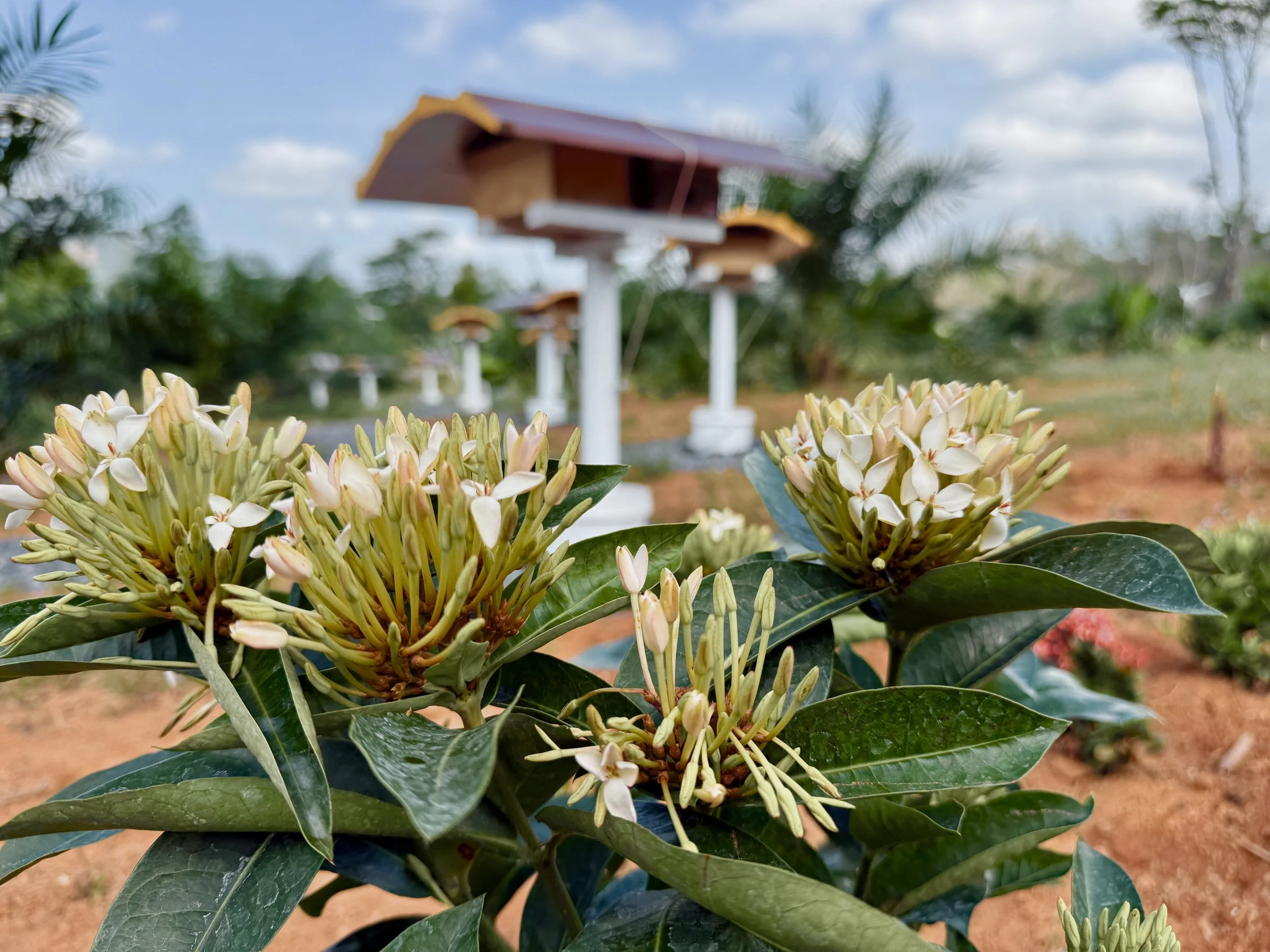
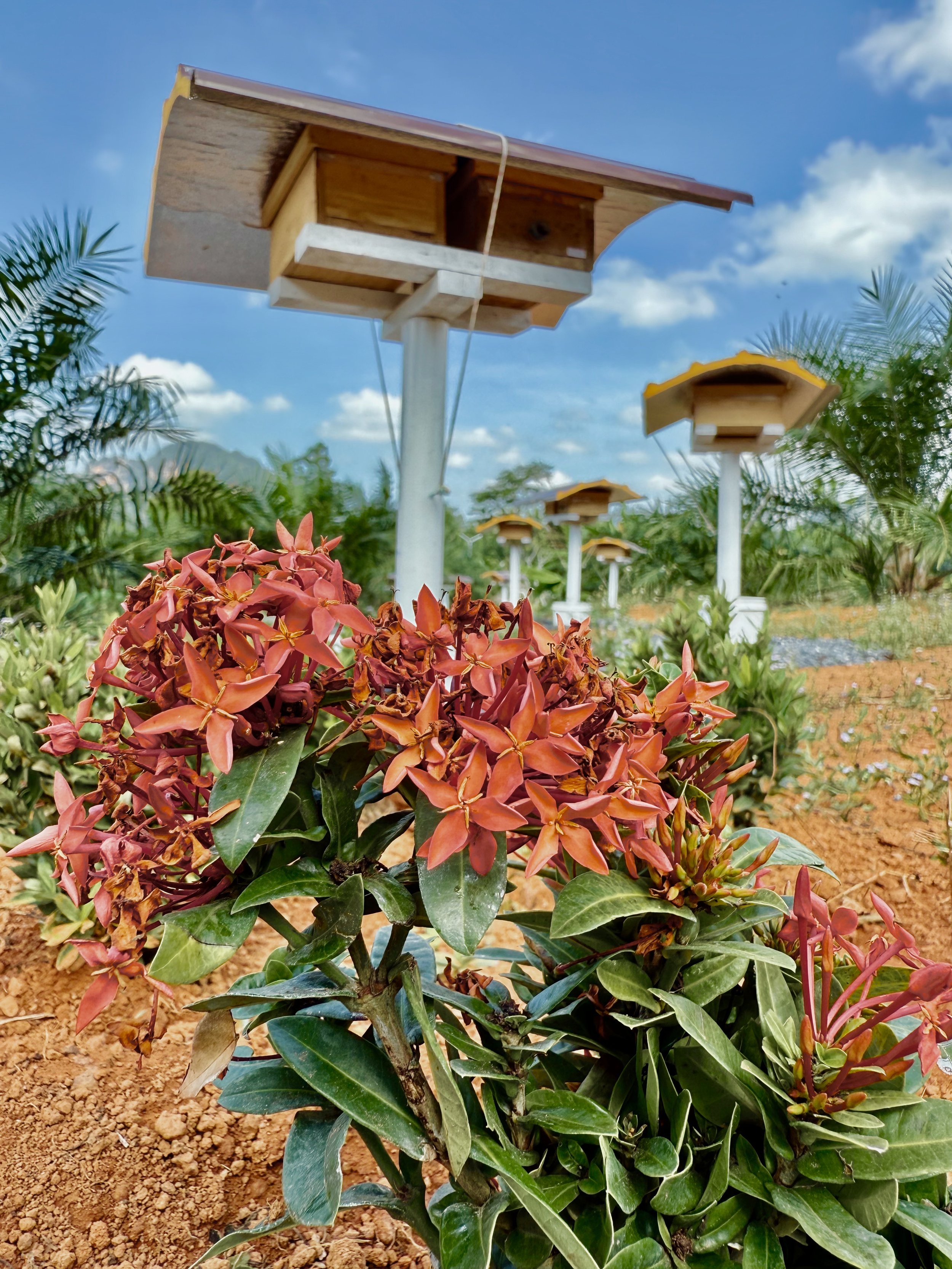
เข็ม
เป็นไม้ดอกที่ให้น้ำหวานต่อเนื่อง ช่อดอกแน่น เข้าถึงง่าย ชันโรงสามารถเข้าหาได้เป็นประจำ ช่วยประคองพลังงานของรังในช่วงปกติของระบบ
ชาฮกเกี้ยน
เป็นไม้ดอกขนาดเล็กที่ออกดอกสม่ำเสมอ ช่วยเพิ่มความหลากหลายของแหล่งอาหาร และเป็นอาหารเสริมที่ชันโรงเลือกใช้เองตามธรรมชาติ
อาหารรองตามฤดูกาล
ไม้ผลที่มีอยู่ในฟาร์ม ได้แก่ ทุเรียน ขนุน ลูกเนียง และสะตอ ทำหน้าที่เป็นอาหารรองตามฤดูกาล
ไม้ผลกลุ่มนี้ ไม่ได้ออกดอกตลอดปี แต่เมื่อถึงช่วงออกดอก จะช่วยเพิ่มความหลากหลายของทั้งเรณูและน้ำหวาน และช่วยเสริมสมดุลของระบบอาหารในรัง
อาหารธรรมชาติที่ขึ้นเองในพื้นที่
พืชที่เกิดขึ้นตามธรรมชาติ และชันโรงเลือกใช้เอง
ในฟาร์มรักษ์ ยังมีพืชที่ขึ้นเองตามธรรมชาติ และมีบทบาทสำคัญต่อระบบอาหาร ได้แก่
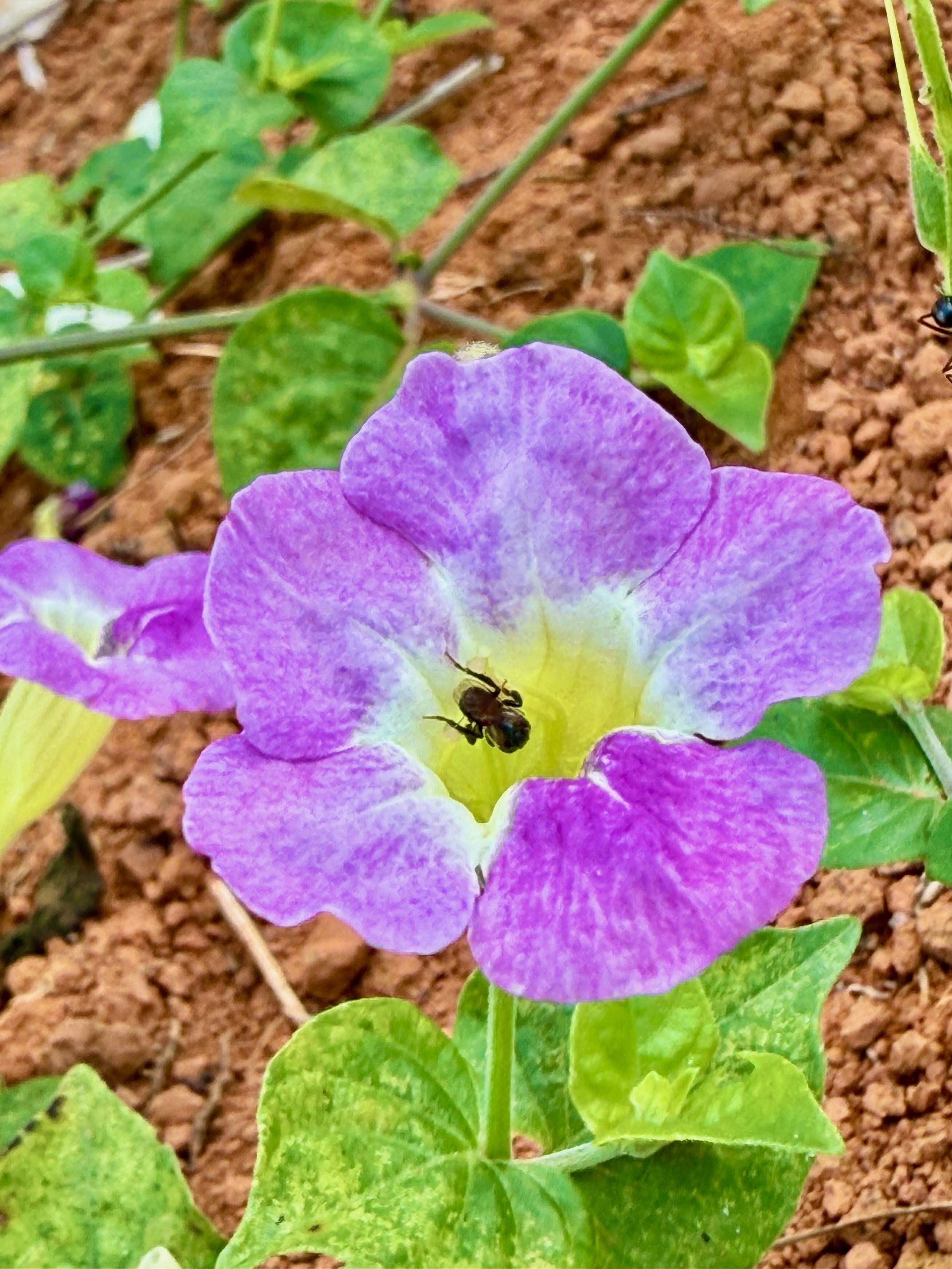
สาบเสือ
เป็นพืชพื้นถิ่นที่ออกดอกเป็นช่วง ให้ทั้งเรณูและน้ำหวาน มีบทบาทสำคัญมากในช่วงรอยต่อฤดูกาล ช่วยพยุงระบบอาหารไม่ให้ขาดช่วง
เดซี่ ป่า
เป็นไม้ดอกธรรมชาติขนาดเล็ก ให้น้ำหวานอย่างต่อเนื่อง ช่วยเติมเต็มอาหารรายวัน และเพิ่มความหลากหลายให้ระบบอาหาร
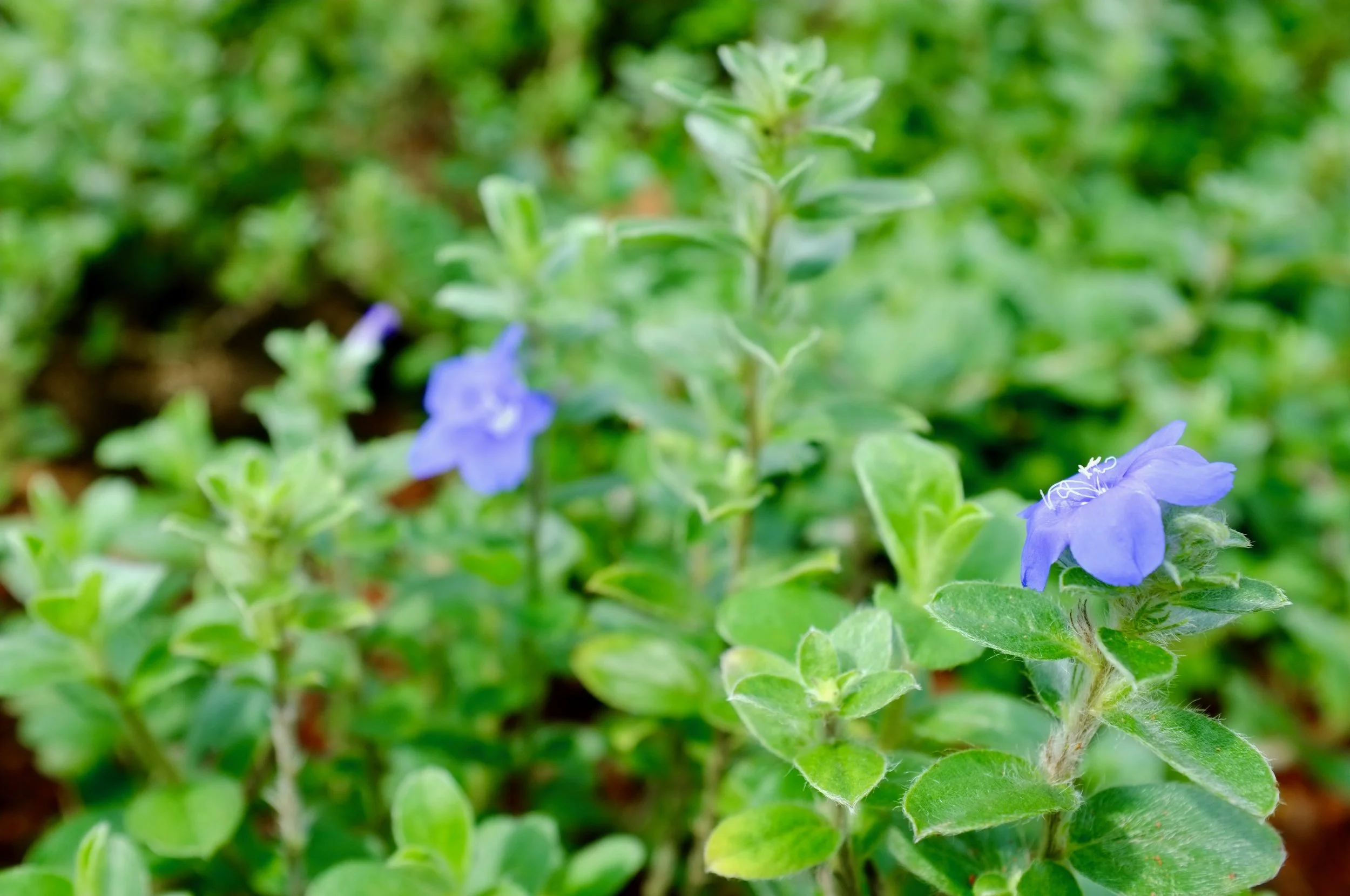
บลูฮาวายป่า
เป็นไม้ดอกที่ขึ้นเองตามธรรมชาติ ออกดอกต่อเนื่อง ให้น้ำหวานสม่ำเสมอ ช่วยประคองพลังงานของชันโรงในช่วงที่อาหารหลักลดลง
ภาพรวมระบบอาหารของฟาร์มรักษ์
ระบบอาหารที่เกิดจากพื้นที่จริง ระบบอาหารของชันโรงในฟาร์มรักษ์ เริ่มต้นจาก สวนปาล์มน้ำมันเป็นแกนหลัก และทำงานร่วมกับพืชอาหารกลุ่มอื่นอย่างเป็นระบบ
• ปาล์มน้ำมัน → โครงสร้างหลักของเรณู
• กล้วย → เสริมความต่อเนื่องของอาหาร
• ถั่วบราซิล → พยุงระบบและสภาพแวดล้อม
• เข็ม และชาฮกเกี้ยน → อาหารเสริมรายวัน
• ไม้ผล (ทุเรียน ขนุน สะตอ) → ความหลากหลายตามฤดูกาล
• พืชธรรมชาติ (สาบเสือ, Daisy ป่า, บลูฮาวายป่า) → พยุงระบบช่วงเปลี่ยนผ่าน
ชันโรงสามารถเลือกอาหารได้เอง โดยไม่ต้องพึ่งการให้อาหารเสริมจากมนุษย์ นี่คือระบบอาหารที่เกิดจากพื้นที่จริง และเป็นรากฐานของคุณภาพน้ำผึ้งชันโรงจากฟาร์มรักษ์อย่างแท้จริงครับ
Stingless Bee Food System at Farm Rahk
Evidence of Quality Rooted in Real Land Conditions
Farm Rahk is located within an oil palm plantation.
Therefore, the stingless bee food system here is not based on theory, but is shaped by the actual plant structure present on the farm and continuous observation of stingless bee foraging behavior in the area.
Each plant species on the farm plays a distinct role within the food system, from primary food sources that sustain the colonies to secondary and natural food sources that help stabilize the system during seasonal transitions.
Primary Food Sources of Stingless Bees at Farm Rahk
Oil Palm: The Core Structure of the Entire Food System
Farm Rahk is situated within an oil palm plantation, and oil palm trees are the primary plants that define the structure of the entire food system.
Oil palm flowers provide a large quantity of pollen, which stingless bees can access at close range without expending excessive energy during foraging.
During periods when oil palms flower simultaneously, continuous foraging activity can be clearly observed, and the colonies show strong stability in food availability.
Pollen from oil palm flowers plays a vital role in:
• Brood development
• Colony strength
• Internal stability of the hive system
For this reason, oil palm trees are not merely an economic crop of the land, but serve as the primary food foundation that sustains stingless bees throughout the entire system.
Supplementary Primary Food Sources
Banana: A Food Source Clearly Chosen by the Bees
In addition to oil palm trees, banana plants serve as a clearly significant supplementary primary food source at Farm Rahk.
Based on direct field observations, stingless bees regularly forage on banana blossoms, collecting both pollen and nectar.
Banana blossoms play an important role during periods when:
• Other flowering plants decrease in availability
• Or during transitional periods between seasons
Banana plants therefore help maintain continuity within the food system and reduce fluctuations in energy levels within the colonies.
Secondary Food Sources from Ground Cover and Flowering Plants
Plants That Support the Daily Stability of the Food System
Farm Rahk contains several secondary food plants that continuously complement the food system, even though they are not primary food sources for the colonies.
These plants include:
Brazilian Peanut
Functions as a ground cover plant, helping retain soil moisture and creating an environment favorable for stingless bee foraging.
Its small flowers also provide supplementary food in harmony with natural cycles.
Ixora
A flowering plant that provides continuous nectar.
With dense flower clusters and easy access, it is regularly visited by stingless bees and helps sustain colony energy under normal system conditions.
Fukien Tea (Carmona retusa)
A small flowering plant that blooms consistently, increasing the diversity of available food sources and serving as a natural supplementary food selected by the bees themselves.
Seasonal Secondary Food Sources
Fruit Trees within the Farm
Fruit trees present on the farm, including durian, jackfruit, and stink bean (sator), serve as seasonal secondary food sources.
Although these trees do not flower year-round, when they do bloom, they contribute additional diversity of both pollen and nectar and help reinforce overall balance within the colony food system.
Naturally Occurring Food Sources
Plants That Grow Naturally and Are Chosen by the Bees
Within Farm Rahk, there are also plants that grow naturally and play an important role in the food system, including:
Siam Weed (Chromolaena odorata)
A native plant that flowers seasonally, providing both pollen and nectar.
It plays a particularly important role during seasonal transitions by preventing sudden gaps in food availability.
Wild Daisy
A small wild flowering plant that provides continuous nectar, supporting daily foraging activity and increasing overall food diversity.
Wild Blue Hawaii
A naturally occurring flowering plant that blooms continuously and provides a steady nectar supply, helping sustain colony energy during periods when primary food sources decline.
Overview of the Farm Rahk Food System
A Food System Shaped by Real Land Conditions
The stingless bee food system at Farm Rahk is rooted in oil palm plantations as its core foundation and functions through the integration of multiple plant groups, each with a specific role:
• Oil palm → Primary pollen structure
• Banana → Continuity and energy support
• Brazilian peanut → Environmental stability and system support
• Ixora and Fukien tea → Daily supplementary food sources
• Fruit trees (durian, jackfruit, stink bean) → Seasonal diversity
• Natural plants (Siam weed, wild daisy, wild Blue Hawaii) → Stability during seasonal transitions
Stingless bees are able to select their food sources naturally, without reliance on artificial feeding or human intervention.
This food system is shaped by real land conditions
and forms the true foundation of the quality of stingless bee honey produced at Farm Rahk.
คุณค่าแท้ เริ่มต้นจากระบบอาหารของชันโรง
True Quality Begins with the Forage System
ทุกหยดของน้ำผึ้ง
เกิดจากระบบอาหารที่สมดุล
ตั้งแต่พืชอาหารหลักในสวนปาล์ม
ไม้ดอก และพืชธรรมชาติที่ทำงานร่วมกันตามฤดูกาล
โดยไม่เร่ง ไม่ฝืน และไม่บังคับธรรมชาติ
Every drop of honey
comes from a balanced food system—
from the oil palm pollen base
to flowering plants and seasonal wild growth,
working together naturally, without force or acceleration.